

The Allure of Casino Games
The allure of casino games often stems from a complex interplay of psychological factors that attract players. The thrill of risk-taking and the potential for monetary gain can be highly stimulating. This combination is particularly potent in environments where players are susceptible to the excitement of chance. For many, the adrenaline rush experienced during gameplay can lead to a euphoric state, one that is difficult to replicate in daily life. This excitement can transform an ordinary evening into an exhilarating experience, making casinos a popular social destination for many people seeking adventure and entertainment, especially when trying out new betting apps that enhance the overall gaming experience.
Addiction to this thrill can cause players to chase losses, believing that a big win is just around the corner. This phenomenon highlights the concept of reinforcement, where the occasional win creates a powerful incentive to continue playing. The intermittent reward schedule, where rewards are given sporadically rather than consistently, can intensify this behavior. Players find themselves caught in a loop of hope and disappointment, often leading to increased playtime as they try to recapture that initial high, unaware of the financial and emotional toll it may take on them.
Moreover, casinos are meticulously designed to keep players engaged for as long as possible. The layout, lighting, and sounds of the gaming floor create an immersive atmosphere that can sometimes blur the line between reality and the gaming experience. This environment enhances the psychological grip of the games, as players feel a sense of belonging and excitement that can distract them from the potential downsides of their actions. The psychological safety net of the casino atmosphere makes it easier for individuals to lose track of time and money, further complicating their relationship with gambling and often leading to a cycle of behavior that is hard to break.
The Role of Cognitive Biases in Gambling
Cognitive biases play a significant role in shaping how individuals perceive their betting behaviors and outcomes. One prevalent bias is the illusion of control, where players believe they can influence the outcome of a game of chance through their actions or strategies. This misconception often leads to overconfidence, encouraging players to gamble more than they should. For instance, a player might believe that wearing a lucky shirt or using a specific betting strategy will lead to success, despite the odds being entirely against them. This irrational belief can result in significant financial losses and emotional distress.
Another relevant cognitive bias is the gambler’s fallacy, which is the erroneous belief that past events affect future probabilities in random events. For example, if a roulette ball has landed on red several times in a row, players may assume that a black outcome is ‘due.’ This fallacy can lead to impulsive betting decisions and misunderstandings of probability, further influencing how long players choose to stay engaged with the games. The more they believe that trends exist where none actually do, the more they may end up wagering significant sums of money in pursuit of an elusive win, often leading to detrimental outcomes.

Additionally, confirmation bias can further entrench these misunderstandings. Players often selectively remember their wins while conveniently forgetting their losses, leading to an inflated perception of their gambling skills. This reinforcement of positive outcomes can foster a belief that their gambling is not only a source of entertainment but also a viable means of income. This skewed perception poses significant risks, as it can encourage continued play even in the face of mounting losses, creating a dangerous cycle that is difficult to escape.
Emotional Influences on Player Decisions
Emotions have a profound impact on player behavior in casinos. When players are experiencing positive emotions, such as excitement or happiness, they are more likely to take risks and wager larger sums of money. Conversely, negative emotions, such as anger or sadness, can also drive increased gambling as a form of escapism. The desire to feel better or to regain lost money can lead individuals to make irrational decisions that they might not otherwise consider. This emotional interplay can create a vicious cycle, where feelings drive gambling behavior, which in turn affects one’s emotional state and overall well-being.
Furthermore, the social aspect of gambling can amplify emotional experiences. Engaging with other players can enhance feelings of exhilaration and camaraderie, leading individuals to gamble more than they originally intended. The collective excitement of a group can be infectious; a player who might otherwise remain cautious may find themselves drawn into higher stakes due to the communal atmosphere. This emotional contagion can create a heightened sense of urgency and FOMO (fear of missing out), encouraging risk-taking behavior that could compromise their financial stability.
Additionally, the use of cues within the environment, such as celebratory noises, bright lights, and animated dealer interactions, is designed to elicit specific emotional responses. These stimuli serve to heighten the excitement and pleasure associated with the games. Understanding how these emotional triggers operate can provide valuable insights into why individuals may gamble in ways that defy logic or personal financial responsibility, ultimately highlighting the emotional complexities inherent in casino environments and the challenges they pose for responsible gaming.
The Impact of Environment on Gambling Behavior
The design and ambiance of casino environments are meticulously crafted to influence player behavior. From the moment players enter a casino, they are greeted with sights and sounds designed to enhance their gaming experience. The absence of clocks and windows helps create a sense of timelessness, allowing players to lose track of time as they immerse themselves in the gaming floor. This sensory manipulation can contribute to prolonged play, as the lack of natural cues leads to extended gambling sessions that can have significant financial repercussions.
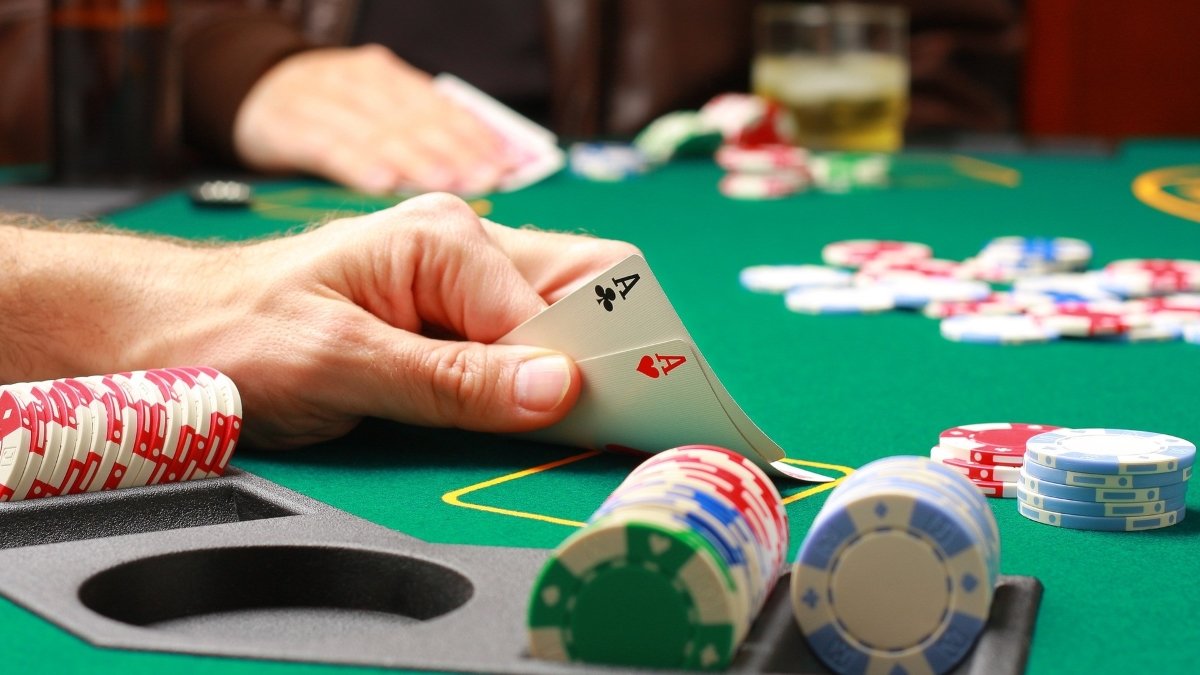
Moreover, the physical layout of casinos encourages exploration and engagement. The strategic placement of games creates a flow that encourages players to transition smoothly from one game to another, minimizing opportunities for contemplation about their gambling habits. Casinos often position high-stakes games near lower-stakes slots, creating a sense of aspiration that can entice players to wager beyond their means. This design tactic capitalizes on the psychology of aspiration, drawing individuals into committing more resources in hopes of hitting a big win, which can lead to increased financial strain.
Additionally, the social dynamics within the casino can affect individual gambling behaviors. Groups of friends or fellow gamblers can create an atmosphere of shared excitement, prompting players to engage in riskier behaviors. The interactive nature of many games fosters a sense of community among players, further blurring the lines between personal and shared responsibilities in gambling. This social reinforcement can lead to both positive and negative outcomes, influencing how players choose to navigate their gaming experiences and potentially leading to problematic gambling behaviors.
Exploring Resources for Responsible Gaming
As the complexities of casino gaming and player psychology are uncovered, the importance of responsible gambling becomes increasingly clear. Many casinos and online platforms now prioritize promoting healthy gaming habits. They provide resources and tools aimed at educating players about the risks associated with gambling and encouraging moderation. This may include self-assessment tools, deposit limits, and options for self-exclusion to help mitigate the potential negative impacts of gambling, ensuring that players remain within their financial limits.
Organizations dedicated to responsible gaming also offer support for those struggling with gambling addiction. These resources can include hotlines, support groups, and educational material that focuses on understanding the psychological underpinnings of gambling behavior. By equipping players with knowledge and coping strategies, these initiatives aim to empower individuals to make informed decisions and avoid devastating financial consequences, fostering a healthier relationship with gaming.
Moreover, awareness campaigns are essential in fostering a culture of responsible gambling. Such campaigns leverage psychological insights to address misconceptions and encourage players to recognize unhealthy patterns in their gambling behavior. By promoting open dialogues about the realities of gambling and its potential pitfalls, the industry can support players in establishing a healthier relationship with gaming, ultimately leading to more sustainable engagement. This proactive approach is crucial in mitigating the risks associated with gambling and promoting a safer gaming environment for everyone.